
Disasters can occur at any time, without warning. When a disaster hits, it is important to have a plan in place to ensure your business continuity. A data center is an essential part of any disaster recovery plan. By having a data center that can serve as a backup for your primary site, you can improve your disaster recovery readiness, protect your company from data loss in the event of a catastrophic incident, and keep your business running.
What is a Data Center?
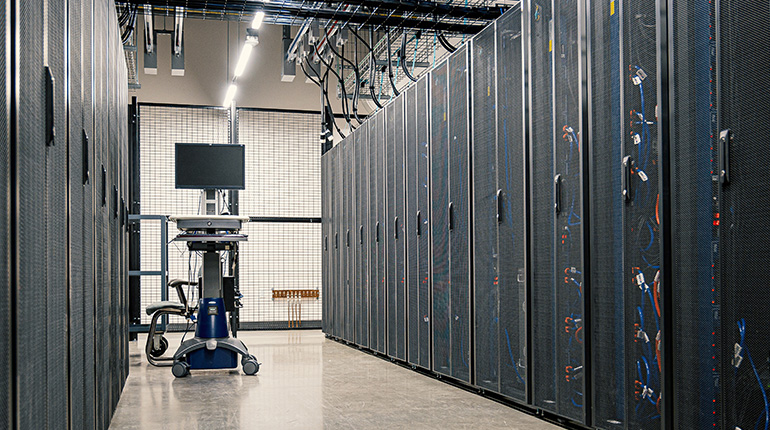
A data center is a facility that houses computer systems and associated components, such as telecommunications and storage systems. Data centers are critical for businesses that require uninterrupted access to data. Including a data center in your disaster recovery plan improves your chances of a quick, effective recovery.
What is a Disaster Recovery Plan?
A disaster recovery plan is a documented process that outlines how a business will recover from a disaster. The plan should include steps to take in the event of a disaster, as well as contact information for key personnel. It’s important to test your disaster recovery plan regularly to ensure it is effective in the event of a real disaster.
Here are some of the advantages of using a data center for disaster recovery:
1. Reduced Recovery Time
Including a data center in your disaster recovery plan can reduce the time it takes to get your business up and running again. A data center can provide backup for your primary site, helping minimize downtime in the event of a disaster.
2. Improved Data Availability
A data center can maintain your company’s data while you are recovering from a disaster. This means that you will not lose any valuable information in the event of a disaster.
3. Reduced Costs
By using a data center for disaster recovery, you can reduce hardware and software costs. A data center provides all the necessary infrastructure, so you do not have to invest in additional hardware or software.
4. Reduced Business Downtime
Including a data center in your disaster recovery plan can reduce the time your business is down in the event of a disaster. This means you can continue operating your business even during a disaster.
5. Improved Compliance
A data center can help improve your compliance with regulatory requirements. By maintaining a data center that meets regulatory requirements, you can ensure your business remains compliant.
6. Improved Customer Service
A data center can help improve your customer service by providing uninterrupted access to data. This means you can continue serving your customers even in the event of a disaster.
7. Improved Brand Image
A data center can help improve your company’s brand image by providing uninterrupted access to data. This means you can continue to provide your customers with the high-quality service they expect.
8. Reduced Risk of Data Loss
A data center can help reduce the risk of data loss in the event of a disaster. Including a data center in your disaster recovery plan helps ensure your company’s data remains safe and secure.
Conclusion
Data centers offer several advantages for disaster recovery, including shorter recovery times, improved data availability, and lower costs. By selecting a data center for your disaster recovery needs, you can enhance business continuity and keep your organization running smoothly during challenging times.
If you are looking for a reliable partner to support your disaster recovery planning, SMS Datacenter is here to help. We have years of experience providing world-class data center services that keep your business up and running, no matter what happens. Contact us today to learn more about our services and how we can help you prepare for a disaster.