Beyond Windows 10: Future-Proofing Your IT Environment
In this blog, we will explore why operating system upgrades should be part of a broader IT strategy and the importance of lifecycle management.

In this blog, we will explore why operating system upgrades should be part of a broader IT strategy and the importance of lifecycle management.

Microsoft has officially announced that Windows 10 support will end on October 14, 2025. For businesses in every sector, this deadline signals the urgency to begin preparing for Windows 11 migration. Without proper planning, companies risk downtime, security vulnerabilities, and productivity disruptions.

When Microsoft ends support for Windows 10 on October 14, 2025, millions of businesses will face a crucial decision: upgrade or remain on an unsupported system. While it may be tempting to delay the transition, the risks of staying on Windows 10 past 2025 are far too significant to ignore.

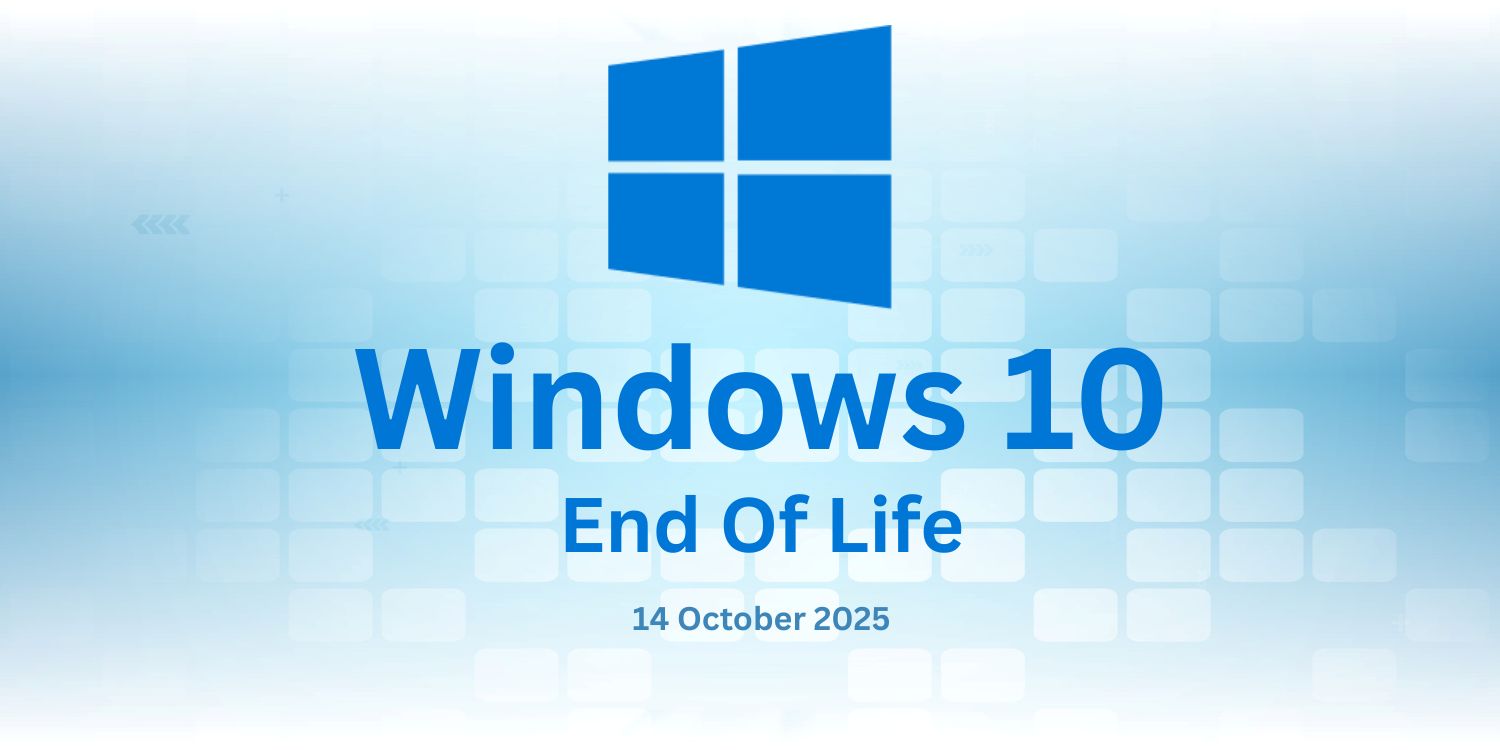
Microsoft has officially announced that Windows 10 will reach its end of life on October 14, 2025. For millions of businesses still running the operating system, this is more than just a calendar date. It marks a turning point in IT strategy, security, and compliance.

Data integration is a major milestone for any organization wanting to harness insights across systems. However, integration alone does not guarantee high-quality data. Once data from multiple sources combines into a unified system, the organization must actively monitor, clean, and maintain it. This helps preserve its accuracy, consistency, and usefulness. In this blog, we will explain the best practices for maintaining data quality post-integration. Why is data quality post-integration so important? Organizations often face the

Cybercriminals are increasingly targeting small and mid-sized businesses in California. From coffee shops to startups, SMBs face serious risks from ransomware, phishing, and insider threats. Yet, many remain unprepared to protect their valuable data.

Businesses rely on data more than ever before. With the growing volumes of data generated every day, managing and integrating it has become increasingly complex. That is where data integration platforms come in. It helps organizations consolidate, manage, and leverage their data for better business outcomes. These platforms unify data integration, which removes the need for multiple tools or manual work. In this blog, we’ll look at the key features and benefits of data integration

Selecting an AI consulting partner can make or break your transformation strategy. These 10 criteria will help you identify a firm that aligns with your goals, delivers real value, and drives innovation.

In today’s data-driven business environment, organizations face a major decision. Should they build an internal analytics team or work with external consultants? Ultimately, your goals, financial constraints, scale, and even your tolerance for risk and change will all impact your decision.

In today’s competitive business environment, timely decision-making is everything. However, organizations often find themselves drowning in unstructured data that slows down insight generation. Unfortunately, raw data can be messy and hard to use. Automated data transformation solves this by converting it into clean, structured, and analytics-ready formats. This allows decision-makers to respond quickly and with greater confidence. This blog examines how an automated data transformation process can accelerate insights, minimize manual errors, and facilitate agile
Founded in 1982, SMS is a leading provider of Managed Services, IT Strategy & Consulting, Software Development & Analytics, Private Managed Cloud, and Colocation Services. Our success is based on building long-lasting relationships with our clients who are leaders in their respective industries, offering and developing innovative IT solutions.
Receive the latest business IT tips from our experts.
SMS Datacenter © 2026 All Rights Reserved
| Cookie | Duration | Description |
|---|---|---|
| cookielawinfo-checkbox-analytics | 11 months | This cookie is set by GDPR Cookie Consent plugin. The cookie is used to store the user consent for the cookies in the category "Analytics". |
| cookielawinfo-checkbox-functional | 11 months | The cookie is set by GDPR cookie consent to record the user consent for the cookies in the category "Functional". |
| cookielawinfo-checkbox-necessary | 11 months | This cookie is set by GDPR Cookie Consent plugin. The cookies is used to store the user consent for the cookies in the category "Necessary". |
| cookielawinfo-checkbox-others | 11 months | This cookie is set by GDPR Cookie Consent plugin. The cookie is used to store the user consent for the cookies in the category "Other. |
| cookielawinfo-checkbox-performance | 11 months | This cookie is set by GDPR Cookie Consent plugin. The cookie is used to store the user consent for the cookies in the category "Performance". |
| viewed_cookie_policy | 11 months | The cookie is set by the GDPR Cookie Consent plugin and is used to store whether or not user has consented to the use of cookies. It does not store any personal data. |