
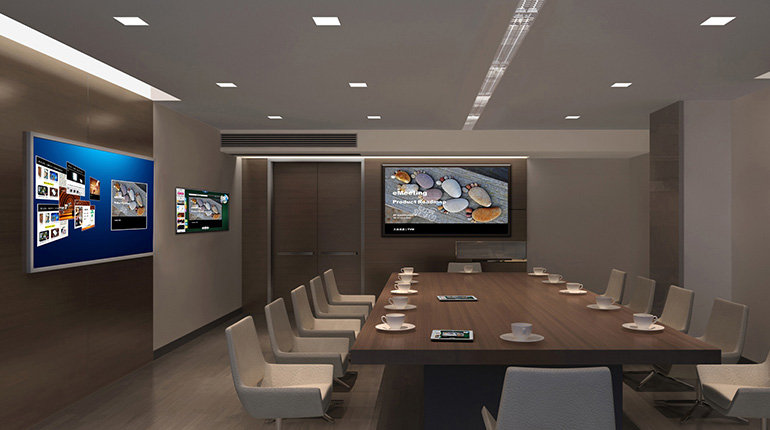
The modern workplace has changed dramatically in recent years, driven largely by advances in technology. Traditionally, employees relied on inefficient methods to complete tasks, such as following manual processes or using outdated tools. Now, they can use computers, smartphones, and other digital devices to complete their work more efficiently and effectively. While this change has certainly made life easier for employees, it is challenging to keep up with the latest technology trends. In this post, we will examine some of the most important technological innovations that impact how we work. We will also explore ways businesses can ensure their workforce stays current with rapidly evolving technologies.
10 Ways Technology Has Reshaped the Modern Workplace:
1. Communication and Collaboration
In the past, employees typically communicated with one another in person or via telephone. However, today’s workforce is more distributed than ever, with employees working remotely from around the world. Thanks to instant messaging applications, video conferencing tools, and other collaborative technology, it’s now easier than ever for employees to stay in touch and work together on projects, regardless of location.
2. Cloud Computing
The cloud has had a significant impact on how businesses operate. With cloud-based applications and services, businesses can access data and applications from any location and share them with employees worldwide. This helps improve efficiency and productivity by enabling employees to work from anywhere, at any time.
3. Mobile Devices
Smartphones, tablets, and other mobile devices have transformed the way we live and work. With these devices, employees can stay connected to work tasks and colleagues wherever they are. Mobile devices also enable businesses to offer employees more flexible work arrangements, such as working from home or on the go.
4. Social Media
Social media platforms such as Facebook, Twitter, and LinkedIn have changed how businesses communicate with customers and clients. These platforms offer a quick, straightforward way to share news, announcements, and exclusive offers with a large audience. They also allow businesses to engage directly with their customers and receive real-time feedback.
5. Big Data
Businesses today have access to more data than ever before, thanks to advances in technology. They can use this data to improve decision-making, target marketing efforts, and personalize the customer experience. However, managing all this data can be a challenge. That is where big data analytics comes in. With big data analytics tools, businesses can analyze large datasets and uncover valuable insights to improve operations.
6. Cybersecurity
As businesses become increasingly reliant on technology, they also become more vulnerable to cyber threats. Hackers are constantly looking for new ways to break into systems and steal sensitive data. To protect themselves, businesses must invest in robust cybersecurity measures, including firewalls, intrusion detection systems, and data encryption.
7. Artificial Intelligence
Artificial intelligence (AI) is a rapidly growing field with the potential to transform how businesses operate. Businesses can use AI to automate tasks, improve decision-making, and personalize the customer experience. In the future, AI will become more prevalent in the business world. Therefore, businesses need to stay up to date on the latest AI developments.
8. Internet of Things
The Internet of Things (IoT) refers to the growing network of devices that connect to the internet. This includes everything from smartphones and laptops to appliances and automobiles. The IoT is transforming how businesses operate by providing real-time data and insights. By leveraging the IoT, businesses can improve efficiency, optimize operations, and create new revenue streams.
9. Augmented Reality
Augmented reality (AR) is a technology that overlays digital information in the real world. This can provide employees with instructions or information about their work tasks. AR can also create immersive customer experiences. For example, IKEA’s app lets shoppers visualize how furniture will look in their homes before purchase. In the future, AR will become more commonplace in the business world as more companies seek to use it to improve operations and enhance the customer experience.
10. 3D Printing
3D printing is a rapidly evolving technology that can change the way businesses operate. With 3D printing, businesses can create prototypes and products in-house, saving time and money. 3D printing can create customized products for customers. In the future, 3D printing will become more commonplace in manufacturing and other industries as the technology continues to evolve.
Conclusion
Technology has transformed the modern workplace. With technology, businesses can operate more efficiently, engage with customers, and create new revenue streams. However, managing all this technology can be a challenge. That is why businesses need to stay up to date on the latest technology trends and developments. The above are just some of the ways that innovative technology has changed the modern workplace. As technology continues to evolve, we can expect further changes in the years ahead.